What Access to Resources Means for Nations in the AI Era
As AI becomes embedded in military, economic, and governance systems, access to its underlying inputs will determine more than competitiveness. It will determine sovereignty to a large extent.
AI and Military Asymmetry
AI is already integrated into defense systems:
- Intelligence analysis
- Targeting and surveillance
- Scenario modeling
- Autonomous systems
The advantage is not just capability, it is also speed.
Countries with access to compute can:
- Process information faster
- Act on it more quickly
- Adapt in real time
Those without it operate at a structural disadvantage. In modern conflict, that gap compounds (even in finance, that gap compaounds).
Three Tiers of the AI World
A new hierarchy is emerging:
1. AI Superpowers
Countries that control:
- Compute infrastructure
- Semiconductor supply chains
- Talent ecosystems
Examples: United States, China
These countries define the direction of AI development.
2. Aligned Powers
Countries that:
- Have partial infrastructure
- Align with major ecosystems
- Retain some autonomy
Examples: parts of Europe, Japan, India. Their position depends on strategic alignment.
3. Dependent Nations
Countries that:
- Lack compute infrastructure
- Rely on external providers
- Have limited influence over systems
- Limited financial and/or natural resources
This includes most of the world. Their access to AI is mediated (and constrained) and will continue to be, although in some cased, the tier one and tier two powers may reap benefits from them (as always, think: resources).
Dependency as a Structural Condition
Dependence on external AI systems introduces risks:
- Loss of data sovereignty
- Exposure to political pressure
- Limited ability to scale or adapt systems
- Vulnerability to service denial or restriction
Unlike previous dependencies, this one is systemic.
AI underpins:
- Economic productivity
- Military capability
- Governance systems
Dependence here is not sectoral. It is total.
The Geography of Opportunity
Despite this, there is still room for strategic positioning.
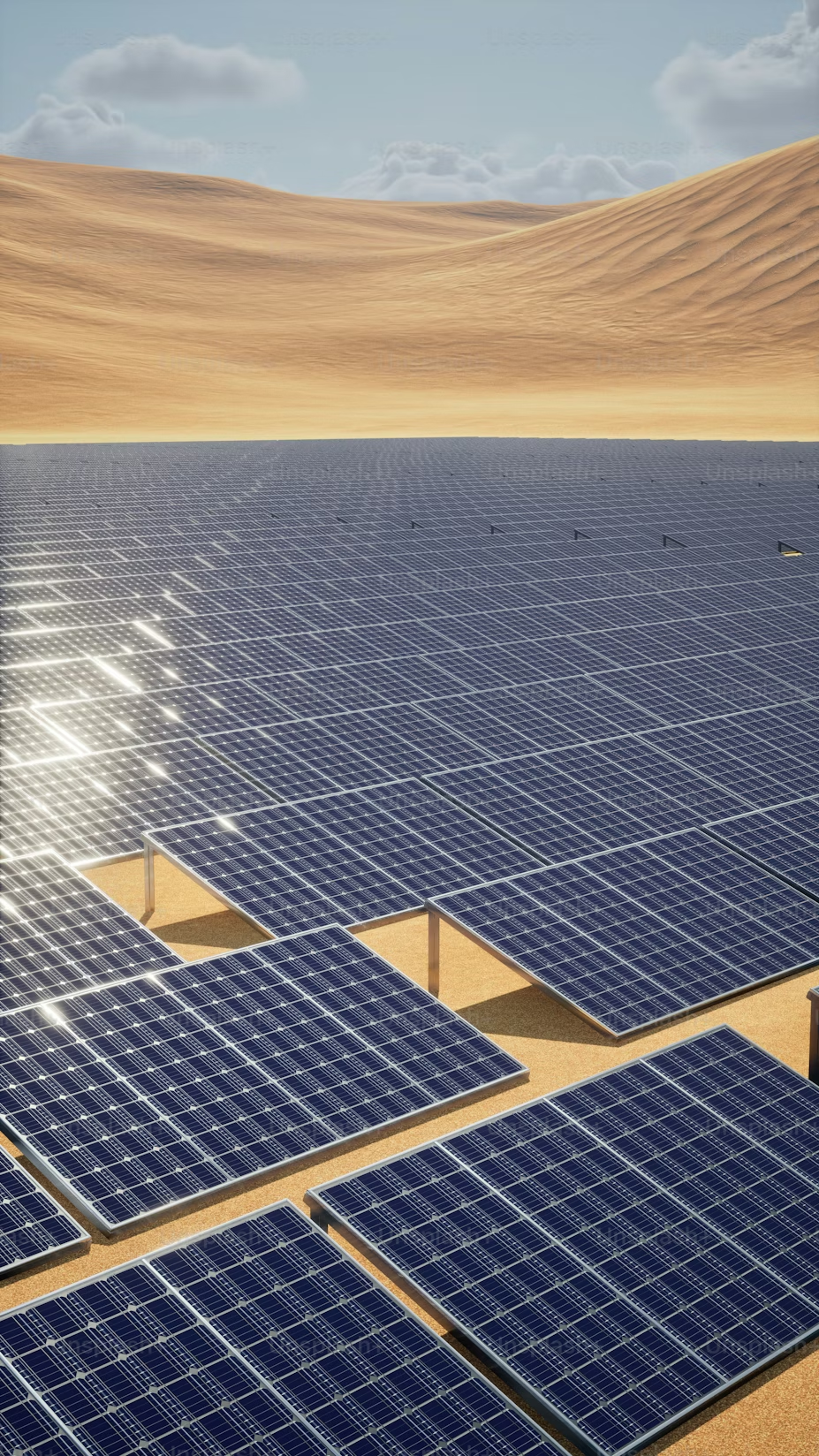
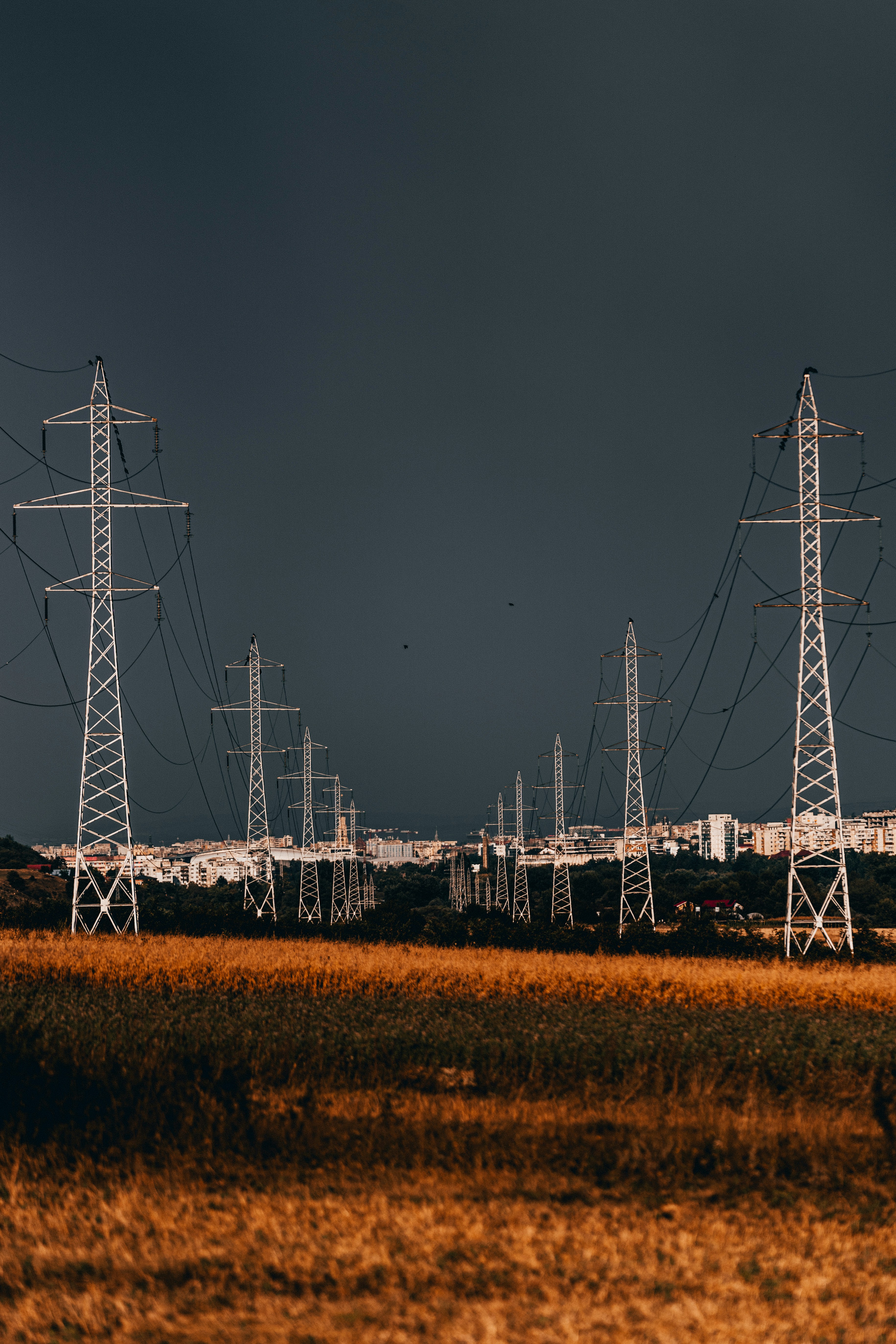
Countries with abundant energy and geographic connectivity (cable routes, proximity to markets) can become infrastructure hubs. This is where geography re-enters as strategy (if you, as a country, are lucky enough to have it on your side). But, not every country can lead in AI development, although some can position themselves within its physical backbone.
The Limits of Ambition
For many countries, the constraint is not vision. It is physics.
- Energy cannot be scaled instantly
- Infrastructure cannot be built overnight
- Supply chains cannot be easily replicated
This imposes a ceiling on deployment.
Conclusion
The AI race is often framed as open and competitive. In reality, it is bounded by access to compute, energy and infrastructure.
This creates a world where:
- A few countries set the pace
- Some align and adapt
- Most depend and react
AI does not flatten the world. It sort of stratifies it. And that stratification is built on resources.... which I will cover ad nauseam in my upcoming book. Stay tuned.