The data center industry (all indistries really) talks a lot about clean energy, but a lot less about how it actually works. The dominant narrative is straightforward: move to renewables, reduce emissions, solve the problem. But at scale, it’s not that simple... or we would have accomplished it already. AI and therefore data centers don’t just need energy; they need reliable, continuous energy, which is where one of the biggest gaps is.
Intermittency Is a Problem
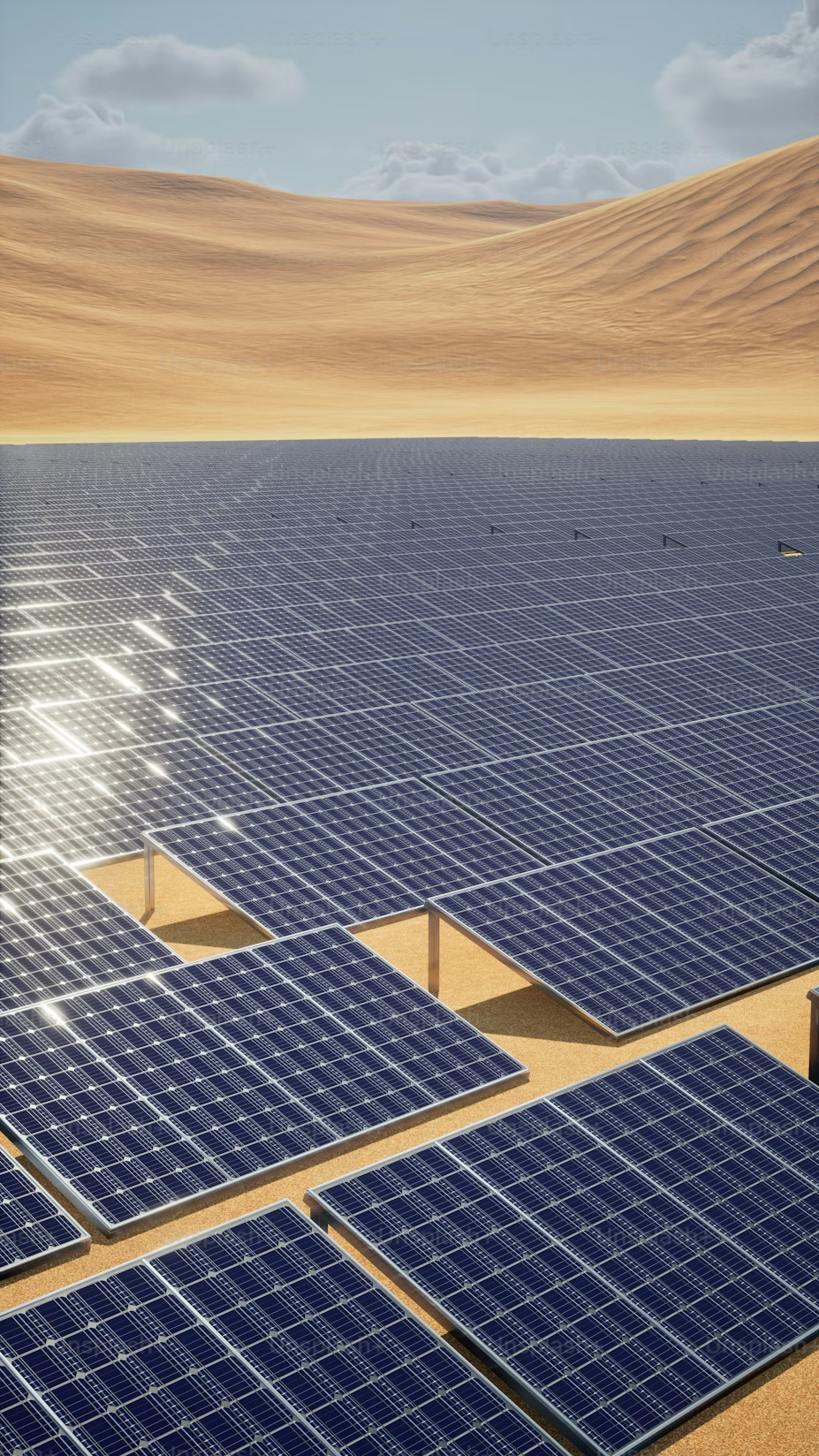
Solar and wind are essential. But they are intermittent by nature.
They generate power:
- When the sun is shining
- When the wind is blowing
Not necessarily when compute demand exists and they (mainly solar) aren't energy-dense. These mismatches matters because data centers don’t operate intermittently. They run continuously.
What Actually Happens in Practice
To bridge the gap, operators rely on:
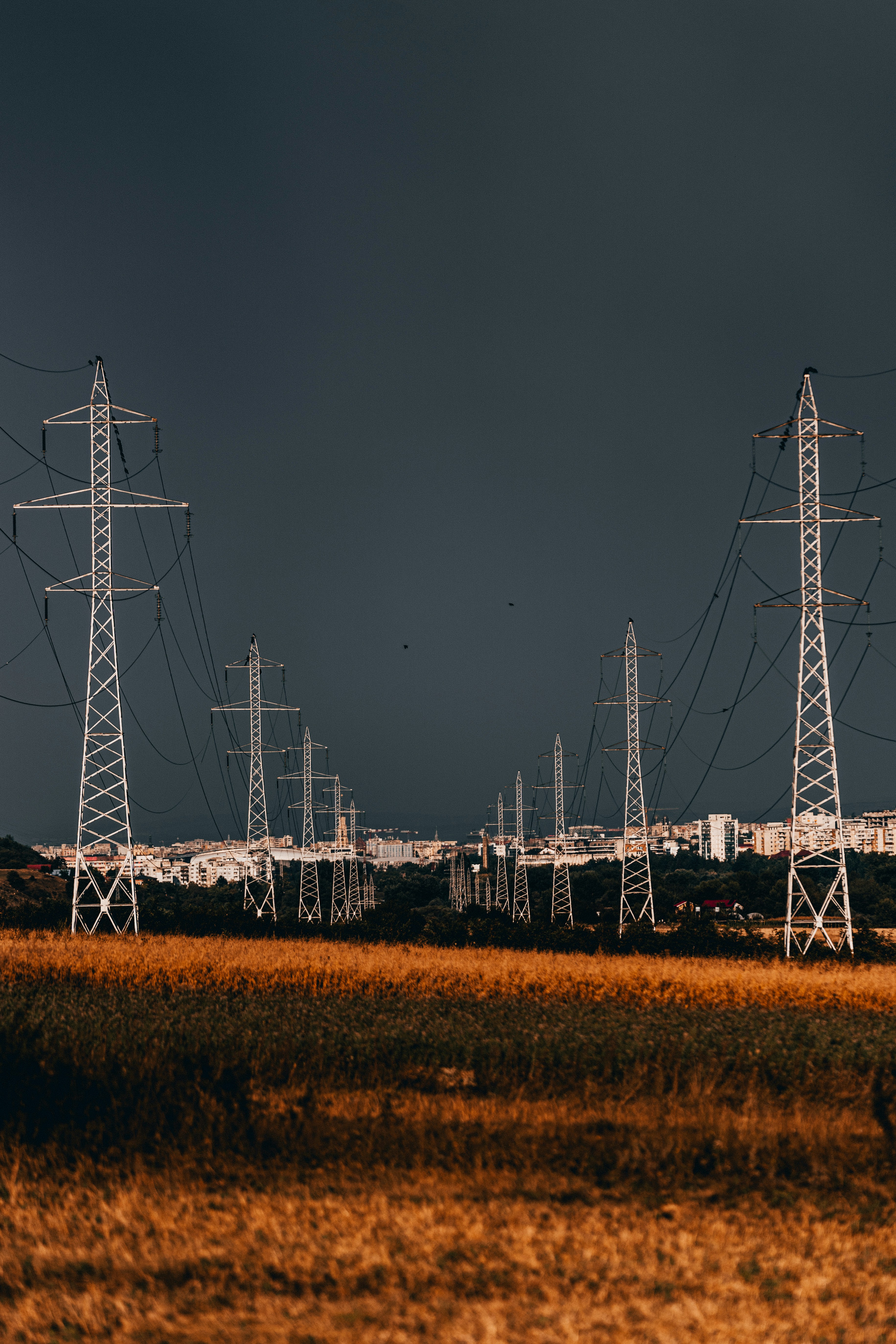
- Grid balancing (often fossil-based)
- Backup or primary onsite generation
- Transitional fuels like natural gas
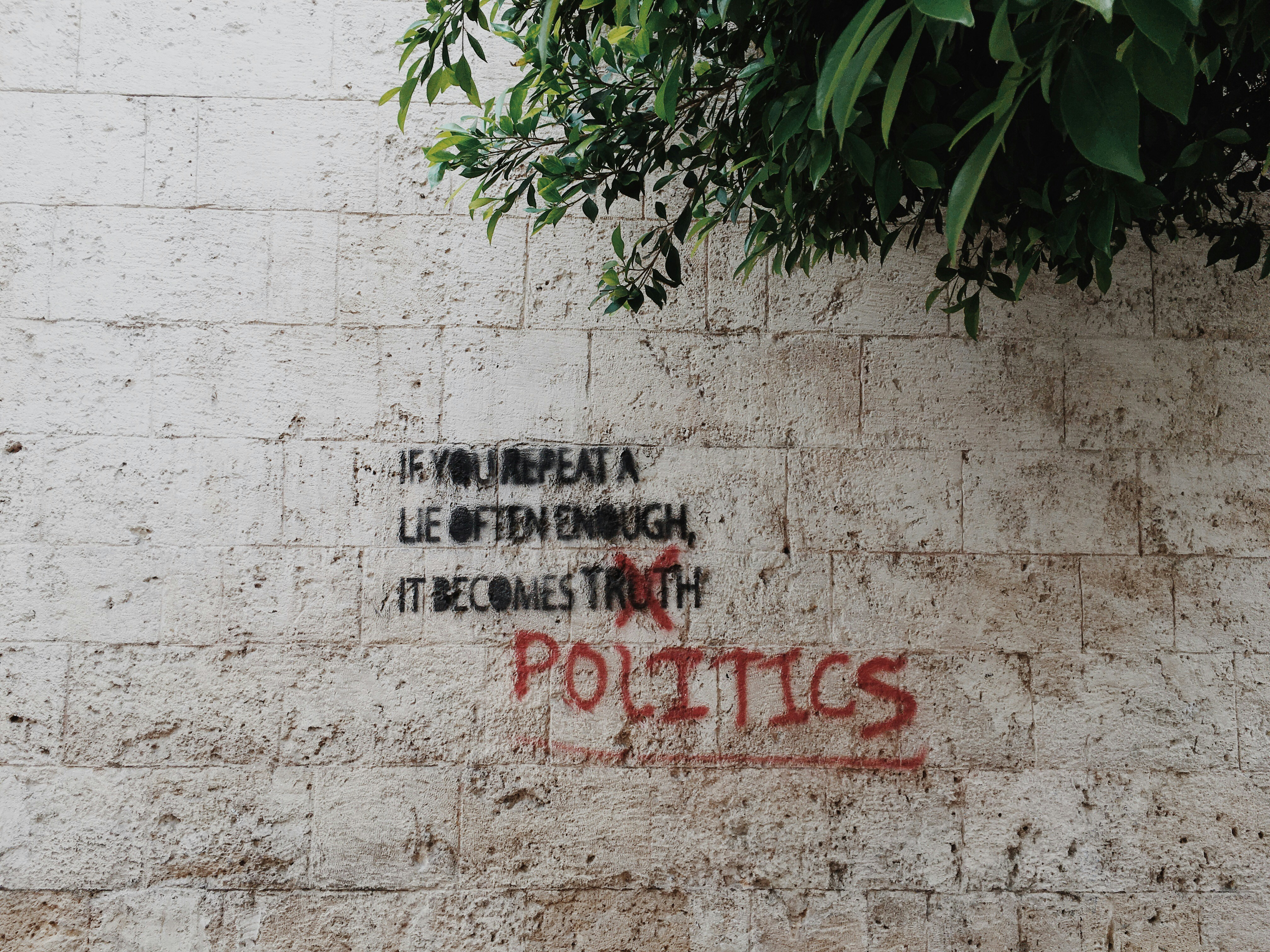
Even in markets with strong renewable penetration, the underlying system is still hybrid. The narrative might say “100% renewable," but the reality is closer to being 100% matched, not 100% supplied.
The Rise of “Bring Your Own Power”
As grid constraints tighten, a new model is emerging: BYOP—Bring Your Own Power.
That includes:
- Onsite gas turbines
- Temporary generation solutions
- Hybrid energy setups
It’s not ideal from a sustainability perspective. But it’s happening because the alternative is delay or no build at all (don't get me started on nuclear and how we've wrecked that and allowed a false narrative to go uncontested/unchallenged in any meaningful way across the Western World for a long time... I will start it on it in a different and upcoming post...).
In any case, BYOP isn’t a step backward - It’s a signal. It signals the fact that the system isn’t keeping up with demand.
Why This Matters for Sustainability
If sustainability is defined purely through offsets or market-based accounting, it’s easy to claim progress.
But if you look at:
- Real-time energy sourcing
- Grid emissions factors
- Actual power delivery
The picture becomes more complicated. Sustainability isn’t (or shouldn't be) just about what you buy. It’s should be about what you use and when.
A More Realistic Approach
The path forward isn’t abandoning renewables. We should try to electrify the modern world. That being said, it's hard (technically) to integrate them properly.
What is means:
- Combining renewables with firm power sources
- Investing in grid stability, not just generation
- Designing infrastructure that can adapt to energy variability
And most importantly: being honest about trade-offs.
Conclusion
Clean energy is necessary. But it’s not sufficient on its own... not yet. Until the system can deliver continuous (we can't store it yet and attenuation is a real thing), scalable clean power, data centers will operate in a hybrid reality. The sooner the industry acknowledges that, the faster it can build solutions that actually work.